6 Meditation Techniques: Can You Find Real Peace in Chaos?

Meditation is a practice that has undergone changes over the centuries to encourage relaxation, increase self knowledge and personal unity. Be it a beginner who wants to begin his meditation experience or is a seasoned practitioner who wants to sharpen his skills, learning more about various meditation techniques might greatly help improve the experience. We shall discuss various meditation practices that can be adopted both by a beginner and a professional in this blog and also give you some tips on how you can make meditation an inseparable part of your daily life.
Understanding Meditation
In its definition, meditation is an activity of the mind and is characterized by the act of concentration so as to come to a state of relaxation and understanding. It is a ritual which is deeply entrenched in different spiritual cultures, such as Buddhism, Hinduism, and Taoism, yet it has also been widely used in secular circles due to its wide range of health benefits. It has been demonstrated that meditation can be applied regularly and it can lead to alleviation of stress, better concentration, improvement of emotional conditions, and even decreasing blood pressure.
The Benefits of Meditation
It is important to learn the advantages of meditation before getting into details of the technique. The following are the major benefits:
- Stress Reduction: Meditation is also known to relax the mind and lower the stress hormone production.
- Better concentration: With practice the concentration and attention span improves.
- Emotional Health: Meditation is able to enhance the feeling of well being and happiness.
- Self-Awareness: It helps a person to know himself more and develops him.
- Improved sleep: Meditation can lead to a higher level of sleep quality through relaxation.
The basics of meditation
1. Create a Dedicated Space
First thing you should do is to find an environment where you can comfortably relax without interruption and without distraction and start your meditation practice. This may be a part of your room, somewhere quiet in your house or even a garden. This area should be welcoming, so the use of cushions, a mat, or low light is advisable. A special place to meditate in will act as an indication to your mind that time to relax and concentrate has come.
2. Set a Time Limit
Being a novice, you have to begin with little. Select a time that is comfortable to you, 5 to 10 minutes is an excellent beginning. You can also take the time slow by slow as you get acquainted with the practice. A timer may assist you in keeping track of time without being concerned about the clock.
3. Find a Comfortable Position
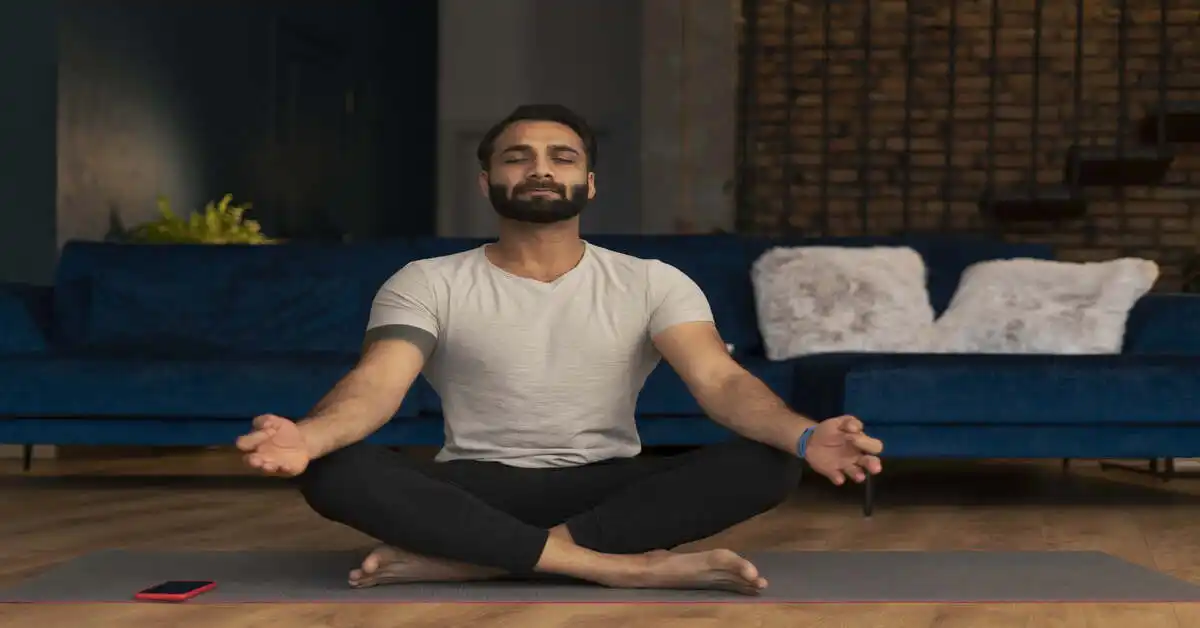
Comfort is central in terms of meditation. It is possible to sit on a chair, cushion and even lay down provided that is comfortable to you. Make sure that you sit upright but not tense. When you are sitting, do not roll the feet over the floor, or cross-legged, but place the hands on the knees or thighs. The idea is to find a posture that would enable you to be both alert and comfortable.
Meditative Practices: Starting Simple
1. Mindfulness Meditation
Mindfulness meditation is among the most common methods among the beginners. It entails being mindful of the here and now without being judgmental. Here’s how to practice:
Get in a comfortable Posture: Sit or lie down in a comfortable posture.
Pay attention to your breath: Shut your eyes and breath several deep breaths. Feel your breath coming in and out of your body.
Breathing In: As thoughts come, recognize them without judgment and kindly shift back your attention to your breath. This is the practice that contributes to the development of awareness and acceptance.
2. Guided Meditation
Guided meditation is where the voice or recording guides one through the meditation process. The method is particularly useful when the beginner finds it difficult to meditate independently. There are lots of apps and online resources that provide guided meditations provided to various purposes, e.g. relaxation, stress relief or sleep.
Select a Guided Session: Select a meditation, which appeals to you.
Do what the guide says: The directions should be followed attentively and in sync with the guide to enable one to allow herself to have a good time.
3. Body Scan Meditation
The body scan process is a great technique of becoming aware of the body and relieving tension. Here’s how to practice:
- Lie Down or Sit Comfortably: Find a comfortable position.
- Attend Every Part of Your Body: Begin with your toes and slowly move your way to the head noticing how your body is feeling or if it is tense or relaxed. Take your time over each place, and inhale any stiffness you can experience.
Meditation Methods of Intermediate Practitioners
When you are familiar with the fundamentals, you can answer more sophisticated questions:
1. Metta Loving-Kindness Meditation
Loving-kindness meditation is aimed at the development of love and compassion towards self and other people. The method can increase emotional health and develop a better relationship. Here’s how to practice:
Get Comfortably Seated: Seat oneself at peace
Turn Yourself On: This involves repeating phrases silently such as May I be happy. May I be healthy. May I be safe. May I live with ease.”
Expand Your Wishes: Over time expand these wishes to loved ones, acquaintances and even people with whom you have difficulty with.
2. Transcendental Meditation (TM)
Transcendental Meditation Transcendental Meditation is a type of mantra meditation, essentially a process in which the practitioner silently repeats a certain sound or phrase (mantra) to calm the mind. Your teacher must teach this technique correctly, but you may get acquainted with the principles:
Select Mantra: Select an easy sound/word that is soothing to you
- Sit with Eyes Closed: Sit up in a comfortable pose, repeat silently your mantra and leave thoughts to pass but not to act on them.
Guidelines on How to Maintain the Meditating Process
1. Be Consistent
Meditation benefits can be reaped through consistency. Intention is to exercise on a daily basis, though it may be only a few minutes. Incorporating meditation in the morning or the evening are also worth considering.
2. Be Patient with Yourself
Meditation is an art that is developed over time. It is also not a bad idea to start out slowly. Mental wandering is natural, just accept it and get back to track.
3. Learn about Various Techniques.
And test different forms of meditation until you discover one that appeals to you. Different techniques will prove more effective in various moments when you are tired or in a good mood depending on the situation and conditions.
4. Join a Community
It could be a good idea to take part in a meditation community or meditation group, either online or in real life. Being able to share your experiences with other people can be inspirational, supportive, and enlightening.
Conclusion
Entering the world of meditation is a rich and interesting experience. When you take the time to experiment with various meditation styles and see what suits you, you should develop a more profound feeling of tranquility, consciousness and the feeling of wellness. Also bear in mind the process of meditation is an individual one and there is no correct or incorrect method of doing it. It is worthwhile to embrace the process and you should take your time with yourself and experience the transformational power that meditation can offer you in life.
When you are starting this journey, remember that each moment of meditating is a step to a deeper self-knowledge and to a deeper comprehension of the world. Happy meditating!