5 Inner Peace Meditation Steps: Can You Heal Your Heart?


In a busy and usually hectic world, inner peace has become more and more necessary to keep the mind and the emotions in good condition. One of the avenues to develop this inner tranquility is through meditation practices which not only relieve stress but also help a person to have a closer relationship with him/herself. This blog will cover some of the inner peace meditation methods, its advantages, and how you can make it a part of your day to day life to improve your general self-being.
Understanding Inner Peace
Inner peace is a condition of contentment and calmness of both the mind and emotions. It enables them to go through life difficulties without getting stressed or anxious. Being calm in the heart helps one to feel happy, satisfied and strong.
The Advantages of Inner Peace Meditation
Meditation is one of the best methods of finding inner peace, relaxing, and reducing stress through the decreased levels of cortisol, the stress hormone. Also, it assists people to become more emotionally aware and controlled resulting in less anxiety and better mood. Practicing meditation on a regular basis can also increase the attention to detail and concentration to train the mind to concentrate. Moreover, it promotes self-reflection and introspection, which enables one to have a better understanding of their thoughts, feelings, and actions. Meditation is also a spiritual practice promoted by many people to become more connected to one-self and the universe, which increases the feeling of purpose and fulfillment.
Meditation in the Spirit of Inner Peace
Mindfulness Meditation
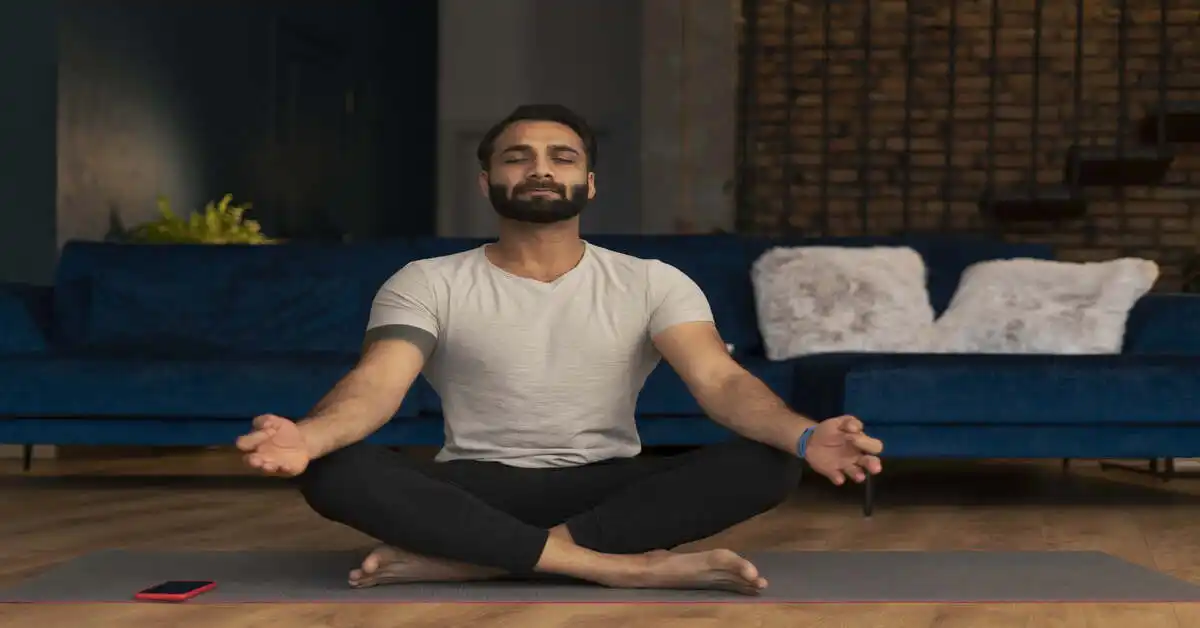
The most common form of mindfulness meditation is related to being in the present without making any judgment. To train, you should find a nice relaxing place. Close the eyes and breathe deeply. Slowly switch your focus to your natural breathing, and focus on the awareness of the feeling of the breath as it flows in and out of your body. When thoughts come, not and simply shift them out of mind as they come, and kindly come back to your breath. The practice brings about awareness and makes you remain in the present. Begin with brief sessions of 5 to 10 minutes and go on extending the time as you feel very comfortable.
Metta, also known as Loving-Kindness Meditation
Loving-kindness meditation also known as Metta is concerned with the development of love and compassion towards self and others. The first thing to do is to find an empty spot and sit in an easy position. Begin by simply uttering such phrases as, May I be happy. May I be healthy. May I be safe. May I live with ease,” and truly hoping that these sentiments may be with you. Reach these wishes to loved ones, friends, acquaintances, and even those who have troubles with you after some minutes. This habit will be empathetic and compassionate, which improves your emotional status.
Guided Meditation
Guided meditation is where one is guided by a recorded or live guide during a meditation session. This technique may be especially useful with beginners. Find guided meditations in inner peace and stress relief on apps or online. Get yourself in a comfortable position and close your eyes and follow the instructions of the guide. Learn to relax and get into the experience. Reflecting after the session is also a way of improving your comprehension of the practice, and you should take time to reflect on your feelings.
Body Scan Meditation
Body scan meditation teaches relaxation and body awareness where the systematic focus on each part of the body is addressed. Lie down or sit down in a comfortable position. Begin at the toes and slowly go all the way to the top of your head pausing at every part. Report any sensations, tension or relaxation. When you find some spots of tension, then breathe deeply and visualize releasing your breath to that spot. After scanning the whole body, have a few deep breaths, and slowly get back to the present.
Transcendental Meditation (TM)
Transcendental Meditation is another type of mantra meditation, which entails the silent repetition of a mantra to calm down the mind. Select an easy word or sound which is appealing to you. Sit well and shut your eyes and take some deep breaths. Repeat silently your selected mantra in your head. In case thoughts come up, then with a light attitude, focus on the mantra. Give yourself the goal of practicing TM 15-20 minutes, two times a day in order to get the best benefits.
The Practices of Meditation in Your Everyday
In order to enjoy the maximum benefits of meditation, it is important that one is consistent. Allot specific time in a day to your practice, either in the morning, lunch or prior to sleeping. Use this as an appointment that you do not compromise. Make a special place in your house where you can meditate and should be comfortable and welcoming. The space will be a refuge to practice and this will allow you to connect practice with a feeling of tranquility and calm.
Numerous applications and Web platforms will help you with the process of meditation. A guided mindfulness application or a timer and some soothing music could make your experience better. Nevertheless, be aware of the technology used and do not use them in the process of meditating. The skill of meditation is a long process and a person should be patient with himself or herself. Be self compassionate and eager to learn.
Periodically review your meditation experience and how it has changed your overall medical condition. It is possible to keep a note on your meditations and record your experiences, insights, and feelings. This consideration helps to strengthen your devotion to the practice, as well as to enhance your insights.
Conclusion
Practices of inner-peace meditation may go a long way towards helping you deal with stress and develop emotional health. With help of making mindfulness meditation, loving-kindness meditation, guided meditation, body scan meditation and transcendental meditation techniques part of your everyday life, you will be able to build a strong feeling of relaxation and strength in your life.
It is important to remember that the process of inner peace is an individual process. Take your time as you learn to do these practices and be kind and tender to yourself. It is possible to build long-term peace of mind and live a better life in case of hard work and persistence.
FAQs
1. So, what is inner peace meditation?
The inner peace meditation is a strategy to help develop tranquility and emotional comfort by utilizing strategies such as mindfulness and loving-kindness. It is aimed at relaxation of state of mind and stress reduction enabling people to bond with themselves and improve their mental condition.
2. What is the frequency at which I should practice inner peace through meditation?
The best thing is to practice meditation every day to enjoy the benefits. Begin with 5-10 minute sessions which will slowly be extended with time as you get used to them. You need to be consistent; a few minutes per day can do a great job in feeling inner peace in the long run.
3. Is meditation a solution to anxiety and stress?
Yes, meditation works in eliminating anxiety and stress. It helps to relieve and be mindful, thus, allowing people to control their thoughts and feelings better. Frequent practice leads to the feeling of having a larger control over stress.
4. Am I supposed to be a spiritual human being in order to meditate?
No, meditation can be available to all people, irrespective of their spiritual beliefs. Although certain methods are based on spiritual traditions, the majority of individuals engage in meditation because it serves only as a self-cure in mental health, including relieving stress and enhancing concentration.
5. But what about those days when I cannot relax my mind with meditation?
It is natural that the mind would wander over when we are meditating. Rather than being frustrated, admit to yourself that you are thinking whatever you are thinking and bring your mind back to your breath or mantra. Through practice, you will be more skilled at dealing with distractions and reaching a more relaxed state of being.