
9 Positive Habit Formation Tips: Can You Change Your Identity?

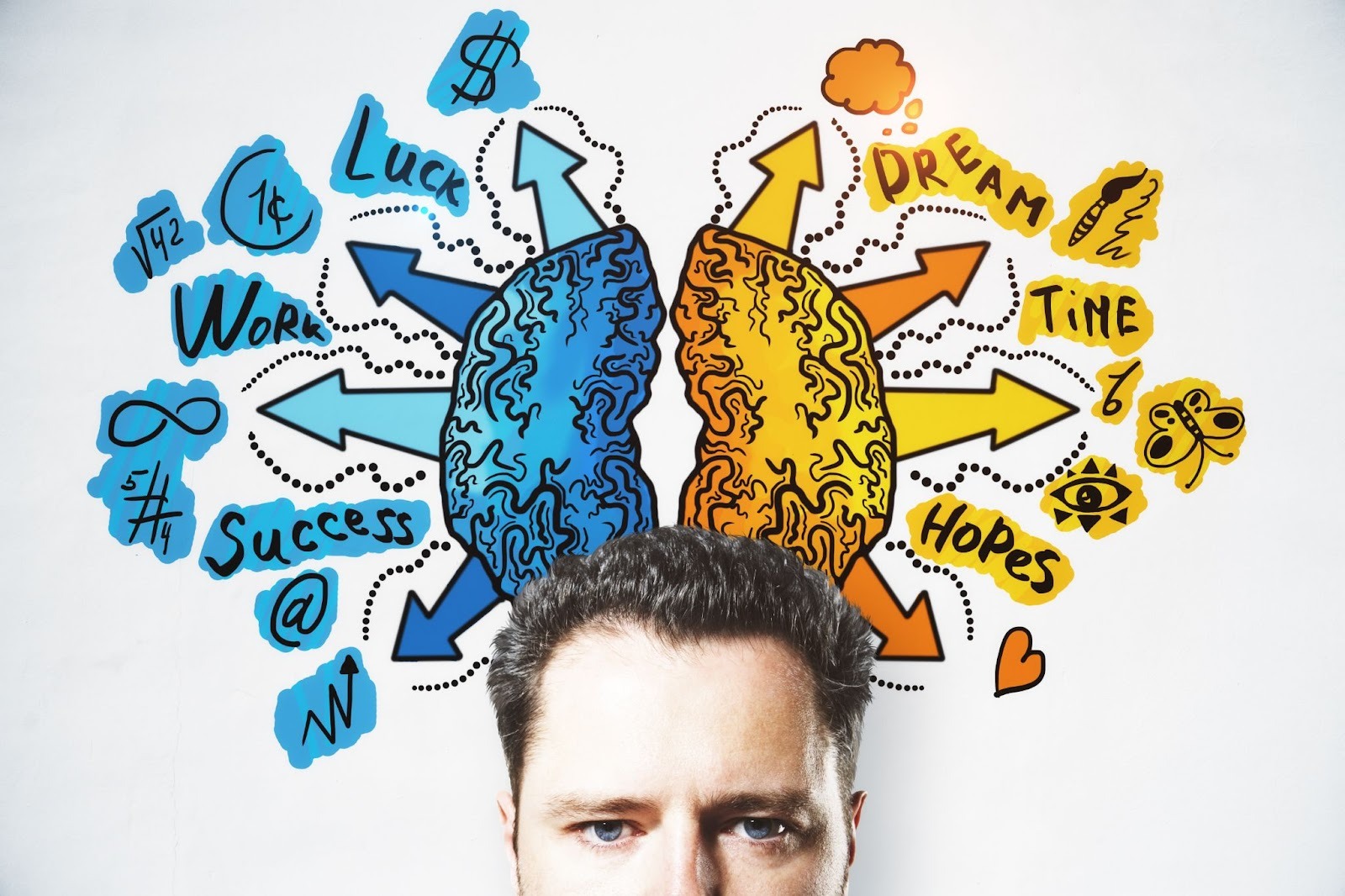
Most people do not fail at habits because they lack discipline or desire. They fail because intention alone does not rewire behavior. Good intentions live in the conscious mind, while habits operate largely below awareness. This gap explains why motivation fades quickly and routines collapse under pressure. Positive habit formation requires more than deciding to change. It requires understanding how the brain protects energy, avoids discomfort, and repeats familiar patterns. Long-term behavior change happens when habits are designed to work with these systems instead of fighting them. Experts in habit psychology emphasize that failure is usually a design issue, not a character flaw. When habits demand constant effort, they are fragile. When they align with how the mind naturally works, they endure.
Habit Psychology Starts Below Conscious Awareness
Habit psychology reveals that most daily actions are automatic. The brain favors efficiency. Once a behavior proves useful or familiar, it becomes encoded as a shortcut. This is why habits persist even when they no longer serve us. Positive habit formation depends on influencing these automatic systems rather than relying on conscious control. Long-term behavior change begins when repetition shifts from effortful to automatic. This shift cannot be rushed through motivation. It happens gradually through consistency, emotional safety, and reinforcement.
How Automaticity Shapes Daily Behavior
Automaticity means behavior runs with minimal conscious input. Once a habit becomes automatic, it feels easier than not doing it. This is why negative habits feel hard to break and positive ones feel hard to build. The brain resists energy expenditure. Habit psychology shows that repetition under stable conditions creates predictability. Predictability feels safe. Over time, the behavior no longer requires persuasion. It simply happens. Positive habit formation aims to reach this stage, where behavior is supported by the nervous system rather than forced by willpower.
Behavior Reinforcement Is More Than Rewards
Many habit systems rely on rewards. While rewards can initiate behavior, they rarely sustain it. External rewards lose power over time. The brain adapts. Long-term behavior change depends on deeper reinforcement mechanisms. Behavior reinforcement works best when actions generate internal signals of safety, competence, or identity alignment. These signals last longer than external incentives. Habit psychology explains that reinforcement strengthens neural pathways only when the experience feels meaningful or emotionally relevant.
Internal vs External Reinforcement Loops
External reinforcement includes praise, treats, or visible outcomes. Internal reinforcement includes satisfaction, self-trust, and identity confirmation. External rewards motivate short-term compliance. Internal reinforcement supports long-term behavior change. Positive habit formation strengthens when the habit itself becomes reinforcing. Experts often advise designing habits that feel rewarding during the process, not just after results appear. When the brain associates the behavior with emotional payoff, repetition becomes easier and more natural.
Identity-Based Habits Change Behavior at the Root
Identity-based habits focus on who you are becoming rather than what you are trying to achieve. This approach shifts behavior from effort to alignment. When habits reflect identity, resistance decreases. The mind prefers consistency between actions and self-image. Positive habit formation becomes more stable when behavior supports identity rather than goals alone. Long-term behavior change accelerates when actions feel like expressions of self rather than obligations.
Why Behavior Aligns With Self-Concept Over Time
Self-concept acts as a filter for behavior. Actions that match identity feel right. Actions that conflict with identity create tension. Habit psychology shows that repeated behavior reshapes identity just as identity guides behavior. This feedback loop explains why small habits matter. Each repetition sends a signal about who you are. Over time, identity-based habits reinforce themselves. Experts emphasize that lasting change occurs when people shift from “I am trying to” to “I am someone who.”
The Role of Emotional Safety in Positive Habit Formation
Emotional safety is rarely discussed in habit advice, yet it is foundational. The brain avoids behaviors associated with threat, shame, or failure. When habits trigger self-criticism or pressure, avoidance increases. Positive habit formation thrives in environments of emotional safety. This means allowing imperfection without punishment. Long-term behavior change depends on feeling safe enough to repeat behavior without fear. Habit psychology highlights that stress and shame interrupt learning. When emotional safety is present, repetition becomes sustainable.
Small Behaviors, Large Psychological Impact
Small behaviors are powerful because they bypass resistance. The brain accepts them easily. These actions build confidence, self-trust, and momentum without triggering threat responses. Positive habit formation often begins with behaviors that feel almost insignificant. Their psychological impact, however, compounds over time.
- Reinforcing self-efficacy through completion
- Reducing cognitive resistance through simplicity
- Strengthening identity through repetition
Experts explain that small behaviors succeed because they create proof of capability. This proof matters more than intensity. Long-term behavior change emerges from consistent evidence that change is possible.
Why Long-Term Behavior Change Requires Flexibility
Rigid habit systems collapse under real life. Schedules change. Energy fluctuates. Stress appears unexpectedly. Habit psychology emphasizes adaptability over perfection. Flexible habits adjust without breaking. Positive habit formation that allows variation survives longer than strict routines. Flexibility does not weaken discipline. It strengthens it. Experts often note that adaptability keeps habits alive during difficult phases. Long-term behavior change depends on resilience, not rigidity.
Habit Formation Is a Feedback System, Not a Checklist
Habits are not tasks to complete once. They are systems that evolve. Treating habit formation like a checklist creates frustration. When progress is measured only by streaks or outcomes, setbacks feel like failure. Habit psychology reframes habits as feedback loops. You observe, adjust, and continue. Positive habit formation improves through awareness rather than control. This approach reduces emotional friction and supports learning.
Using Awareness to Refine Habits Over Time
Awareness allows refinement without judgment. When habits feel difficult, awareness helps identify friction points. Maybe timing is off. Maybe expectations are too high. Experts recommend using curiosity instead of criticism. This mindset encourages experimentation. Long-term behavior change accelerates when habits are treated as evolving processes rather than fixed commitments.
When Old Habits Compete With New Ones
New habits do not exist in isolation. They compete with established routines. Old habits have stronger neural pathways. They feel familiar and efficient. Positive habit formation requires acknowledging this competition. Suppressing old habits often increases resistance. Habit psychology suggests redirecting rather than eliminating. When new behaviors replace old cues gradually, the transition feels safer. Experts advise patience during this phase. Competition is a sign that change is occurring.
Integrating Positive Habit Formation Into Real Life
Real life is unpredictable. Habits must coexist with work, relationships, and stress. Integration means designing habits that fit current life rather than ideal conditions. Positive habit formation works best when habits scale up or down as needed. Long-term behavior change depends on alignment with lifestyle. Experts emphasize that habits should support life, not dominate it. Integration ensures sustainability across different seasons.
Frequently Asked Questions
Why do positive habits feel harder than negative ones?Negative habits are already automatic. Positive habits require building new neural pathways, which takes time and repetition.
How long does positive habit formation take?There is no fixed timeline. Habit strength depends on repetition, emotional reinforcement, and consistency rather than days counted.
Are identity-based habits really more effective?Yes. When habits align with identity, resistance decreases, and long-term behavior change becomes more stable.
What role does emotion play in habit formation?Emotion determines whether the brain repeats behavior. Emotional safety and internal reinforcement are critical for sustainability.
Can habits change during stressful periods?Yes, but they must be flexible. Small, adaptable habits survive stress better than rigid routines.