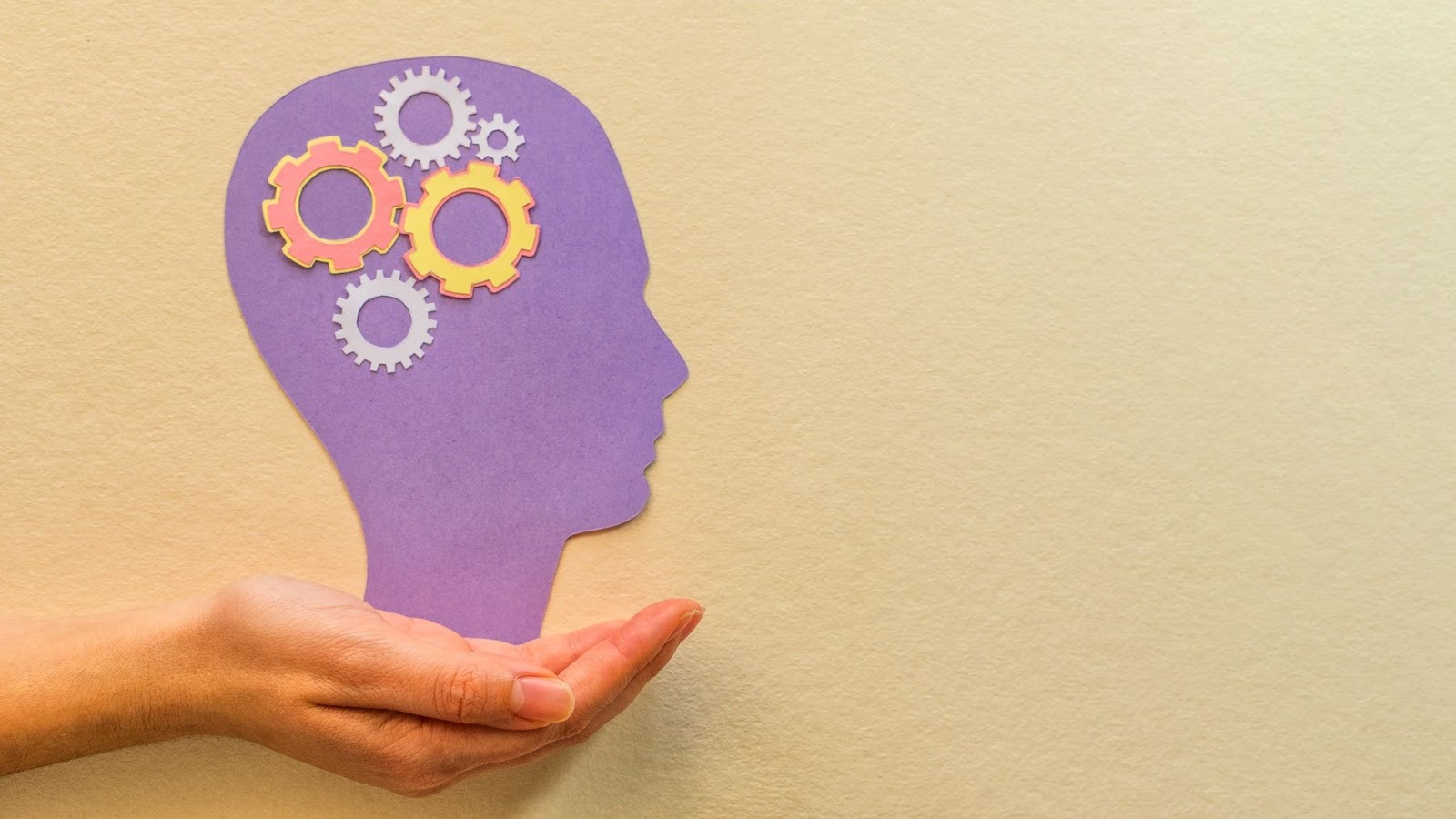
5 Mental Health Awareness Facts: Can We End the Silent Stigma?


Mental health is a very important part of our general health, as far as it determines our way of thinking, feeling and behavior. It influences our coping, interpersonal and decision-making. Though it is very significant, mental health is misconceived or stigmatized and people are not aware and supportive of it. In this article, the writer attempts to illuminate the importance of mental health awareness and how as a people we can create a conducive environment to all.
What is Mental Health?
Mental health is the emotional, psychological and social well being. It is vital at each age of life, starting with childhood and adolescence up to adulthood. Mental health influences the way people deal with stress, interact with other people, and make decisions. Examples of mental illnesses that may have a great influence on everyday life are anxiety, depression, and bipolar disorder.
The Significance of Mental Health Dynamics
- Reducing Stigma: Stigma is one of the major obstacles to seeking help on mental health issues. The increase in awareness makes mental health discussion a normalized conversation, which eliminates fear and shame that commonly accompany mental illness.
- Promoting Early Intervention: With knowledge comes the ability to detect mental health problems early enough so that a person can seek assistance before the problems become complicated. The outcomes can be greatly enhanced through early intervention.
- Motivating 7: Mental health awareness enlightens individuals on different mental health issues, symptoms, and treatment. This knowledge brings in compassion and sympathy towards struggling persons.
- Promoting Open Dialogue: People should be encouraged to discuss mental health and feel more at ease in disclosing experience and seeking assistance. Support networks and isolation can be achieved through open dialogue.
Symptoms of Mental Health Problems
The knowledge of the indicators of mental illness is critical in early intervention. Common signs include:
- Mood alterations: When one is always sad, showed irritability or mood variations, this can be a sign of mental health issues.
- Social withdrawal: To stop enjoying something previously and follow other activities may mean the presence of underlying problems.
- Body Alterations: Insomnia or excessive drowsiness may be an indication of stress or anxiety.
- Performance Deterioration: Mental health struggle can manifest in the form of lack of concentration, inability to make decisions or do tasks.
- Physical Symptoms: Mental health problems may be associated with chronic fatigue, headaches or physical symptoms that cannot be explained.
How to Support Mental Health
1. Educate Yourself and Others
The initial step towards an enabling environment is to understand mental health. Disseminate information about mental health conditions and the need to seek help in your community, in the workplace or at school.
2. Establish the Secure Areas of Discussion
Promote the discussion of mental health. Provide a secure environment where people are free to share their emotions and experiences without being judged. This may be at schools, their workplaces, or in community organizations.
3. Promote Self-Care Practices
Mental health can also be a great influence by the encouragement of self-care. Encourage mindfulness, exercise, healthy dieting and sleep. Self care can be applied to allow individuals to cope with stress to enhance well being.
4. Advocate for Resources
Community-based policies and initiatives that encourage mental health resources in your community. This comes with provision of counseling services, hotlines and support groups. Promote mental health education at schools and in the workplace to promote awareness and support.
5. Be a Good Friend or Family Member
When your friend is in distress with his or her mental health, support them. Be non judgmental, acknowledge their emotions, and refer them to professional help where necessary. It is sometimes enough to be there.
Seeking Professional Help
Promote the use of professional assistance among people in case they have chronic mental health problems. Psychologists, psychiatrists, and counselors can offer important support and treatment possibilities to mental health professionals. Management of mental health conditions can be done through therapy, medication and support groups.
Conclusion
Mental health consciousness will play a key role in ensuring that the environment is conducive and all people can flourish. Through the knowledge of mental health, identifying the symptoms of distress, and the encouragement to have open conversations, we can decrease the stigma and influence people to seek treatment. Collectively, we will be able to build a society where mental health is esteemed and help the needy.
1. What is mental health awareness?
Mental health awareness refers to the process of informing the general population about several mental health issues, the lack of stigma, and the encouragement of the open discussion of mental health. It will help cultivate appreciation and compassion towards people facing mental health issues. Through awareness creation, we can establish enabling conditions to make people not feel afraid of seeking help due to the fear of being judged. This group work will assist in dismantling of the barriers thus resulting in improved mental health within communities.
2. What can I do to help a mentally challenged person?
Active and judgmental listening is imperative in order to accommodate someone in need of mental health support. Express compassion, be sensitive to their emotions and experiences. Make them find professional help when it is necessary, and give them a safe and conducive space in which they feel free enough to express themselves. Your presence will be a big step forward, and they will feel that they have been heard and appreciated, which is the key to their well-being and development.
3. At what point does one need some professional assistance regarding mental problems?
One should seek professional help in case of long-lasting symptoms that interfere with his / her daily life, relations, or functioning in general. The indicative signs that show that they require assistance include persistent sadness, anxiety, or hopelessness, problems with coping with everyday activities, or behavioral changes that alarm friends or family members. It is possible with the help of a mental health professional to find the required support and advice on how to overcome these difficulties and improve the overall well-being.