
How HCBS Waiver Support Services Empower Individuals with Disabilities to Thrive at Home
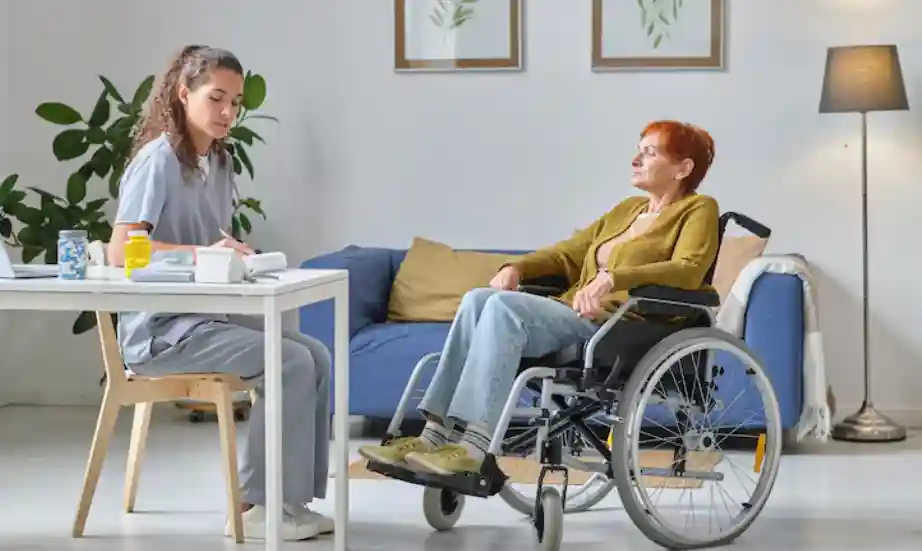
Living with a disability can present unique challenges, especially when it comes to staying independent and receiving the care needed to live a fulfilling life. Fortunately, programs like the HCBS (Home and Community-Based Services) waiver offer essential support that allows individuals to remain in their own homes rather than in institutional settings. HCBS waiver support services provide tailored assistance, helping people with disabilities lead more independent, meaningful, and connected lives within their communities.
Understanding HCBS Waiver Support Services
HCBS waiver support services are designed to meet the personal and medical needs of individuals with disabilities while keeping them in their homes. These services go beyond basic care; they include support for daily activities such as personal hygiene, meal preparation, and household tasks. Additionally, HCBS programs often provide access to healthcare professionals, therapists, and counselors who can help manage both physical and mental health needs. The primary goal of these services is to give individuals the freedom and resources to live comfortably in their familiar environments while receiving the care they need.
Promoting Independence and Self-Confidence
One of the most important benefits of HCBS waiver support services is the promotion of independence. By providing assistance tailored to each individual’s needs, these services empower people to perform daily tasks with confidence. Whether it’s learning new skills, managing personal finances, or navigating transportation, HCBS support helps individuals build self-reliance. This sense of independence is essential for mental and emotional well-being, fostering a positive outlook on life and encouraging active participation in community activities.
Personalized Care Plans for Unique Needs
HCBS waiver support services are not one-size-fits-all. Each participant receives a personalized care plan that takes into account their specific needs, preferences, and goals. Care coordinators work closely with individuals and their families to develop plans that ensure safety, promote skill development, and improve overall quality of life. This personalized approach ensures that support is meaningful and effective, helping individuals achieve their personal goals while maintaining dignity and autonomy in their daily lives.
Strengthening Community Connections
Remaining connected to the community is vital for emotional and social well-being. HCBS waiver support services help individuals participate in community activities, attend social events, and build friendships. Access to community resources, transportation services, and social programs enables people to engage more fully in everyday life. By fostering social connections, HCBS programs reduce feelings of isolation and create opportunities for individuals to thrive within the broader society.
Supporting Families and Caregivers
Families and caregivers play a critical role in the well-being of individuals with disabilities. HCBS waiver support services ease the burden on families by offering trained professionals who provide care and guidance. This support allows family members to focus on their own well-being while knowing that their loved one is receiving reliable assistance. In this way, HCBS services strengthen the entire support system, creating a more balanced and sustainable environment for everyone involved.
Conclusion
HCBS waiver support services play a vital role in helping individuals with disabilities live independently, safely, and meaningfully in their own homes. By offering personalized care, promoting independence, fostering community connections, and supporting families, these services empower individuals to thrive. The result is not just improved daily living but also greater self-confidence, social engagement, and overall well-being. With HCBS waiver support, people with disabilities can experience a higher quality of life while remaining active participants in their communities.